
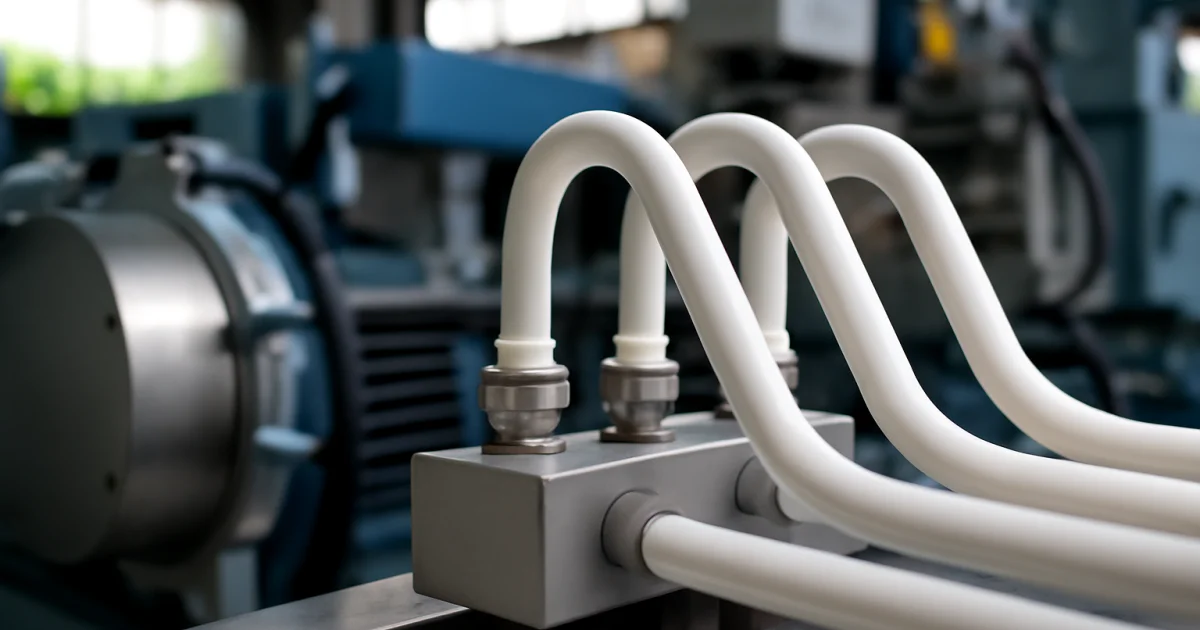
Industrial heating systems are at the core of many manufacturing and process industries in Malaysia. As demands for durability, efficiency, and chemical resistance grow, the choice of materials for heating components is more important than ever. One material has emerged as a standout solution: Teflon. This article explores the unique benefits of Teflon components in industrial heaters, why they matter, and how Malaysian manufacturers and engineers can leverage them for better performance and longevity. For readers comparing options, Teflon Supplier Malaysia is the main topic this guide explains.
What Are Teflon Components in Industrial Heating?
Teflon, the trade name for polytetrafluoroethylene (PTFE), is a high-performance fluoropolymer renowned for its nonstick properties, exceptional chemical resistance, and remarkable thermal stability. In industrial heating, Teflon is used to coat or fabricate parts such as heater sheaths, insulation bushings, gaskets, and tubing. These components can be found in a wide range of equipment, including Teflon coated heaters, immersion heaters, and heat exchangers where aggressive chemicals or corrosive liquids are present.
Teflon components are especially valued in sectors where standard metal parts would degrade quickly due to harsh environments, including chemical processing, electronics manufacturing, food production, and water treatment facilities.
Why Teflon Excels in Industrial Heating Applications
The decision to use Teflon in heating applications is driven by a combination of key material advantages:
- Outstanding Chemical Resistance: Teflon resists attack from almost all chemicals, acids, and bases, making it ideal for heaters exposed to corrosive solutions.
- High Thermal Stability: PTFE maintains its properties over a broad temperature range, typically up to 260°C, supporting both low and high temperature industrial processes.
- Nonstick Surface: Teflon’s low surface energy prevents scaling, fouling, and product build-up on heater surfaces, reducing maintenance frequency.
- Electrical Insulation: Teflon’s dielectric properties make it a safe choice for components in electrical heaters and temperature sensors.
- Low Friction Coefficient: The slick surface of Teflon reduces wear and helps moving parts operate smoothly, which can be important for certain automated heating systems.
These properties ensure that Teflon components contribute to increased equipment lifespan, consistent heating performance, and reduced operational downtime.
Key Benefits for Malaysian Manufacturers and Process Industries
For factories and process plants in Malaysia, the adoption of Teflon components delivers several practical benefits:
- Extended Equipment Life: Teflon’s resistance to chemical attack and corrosion means heaters and sensors last longer, even in harsh production environments.
- Improved Process Safety: By preventing leaks and failures caused by corrosion, Teflon components help maintain safe operations and reduce the risk of contamination.
- Lower Maintenance Costs: Equipment protected by Teflon requires less frequent cleaning and replacement, minimizing downtime and maintenance budgets.
- Consistent Product Quality: The nonstick nature of Teflon prevents product residues and scaling, ensuring stable heat transfer and uniform process conditions.
- Efficiency in Harsh Environments: Whether handling acids, alkalis, or solvents, Teflon’s stability allows heating systems to operate reliably where standard materials fail.
Industries such as electronics, chemical manufacturing, food processing, water treatment, and pharmaceuticals have all seen measurable improvements in uptime and quality after switching to Teflon-based industrial heating solutions.
Common Applications of Teflon Components in Heating Systems
Teflon’s versatility allows it to be used in various forms across industrial heating setups:
- Teflon Coated Immersion Heaters: Used in chemical tanks, plating baths, and etching lines, these heaters withstand corrosive environments and provide reliable temperature control.
- PTFE Sleeves and Tubing: Protects electrical wiring and sensor probes from aggressive chemicals and high temperatures.
- Teflon Gaskets and Seals: Ensures leak-proof performance for heated vessels and pipelines handling hot, reactive fluids.
- Heater Sheaths and Jackets: Teflon sheaths are applied to heating elements to isolate them from corrosive process liquids while maintaining efficient heat transfer.
- Temperature Sensor Protection: RTD and thermocouple sensors fitted with Teflon insulation are more durable in chemical processing or food production lines.
Malaysian heater suppliers and system integrators often recommend Teflon components for clients seeking longer equipment life and fewer process interruptions.
How to Select a Reliable Teflon Supplier in Malaysia
Finding the right supplier is crucial for obtaining high-quality Teflon components that meet your specific process needs. Here are key factors to consider:
- Product Expertise: Choose a supplier with in-depth knowledge of industrial heating, Teflon-coated heaters, and process equipment. This ensures proper product selection and application advice.
- Customization Capabilities: Many industrial heating projects require Teflon parts tailored to unique tank sizes, temperature ranges, or chemical exposures. Look for suppliers who offer design and fabrication services.
- Quality Assurance: Reliable suppliers provide documentation, material certifications, and robust manufacturing standards for their Teflon components.
- Technical Support: The best partners offer support for installation, troubleshooting, and maintenance, ensuring your heating systems perform optimally over time.
- Local Presence: Working with a Malaysian-based supplier improves access to spare parts, service visits, and quick response times in case of urgent needs.
For example, SH Heating Sdn. Bhd. is recognized for its expertise in supplying Teflon coated heaters and related components across Malaysia, offering both standard and customized solutions backed by technical support and local experience.
Integrating Teflon Components: Practical Advice for Engineers and Maintenance Teams
When upgrading or specifying industrial heaters and temperature sensors, consider the following best practices for Teflon integration:
- Assess the chemical compatibility of your process fluids to determine if Teflon sheathing or gaskets are appropriate.
- Consult with your supplier regarding temperature ranges, as PTFE has specific maximum continuous operating temperatures.
- Ensure Teflon components are installed by trained technicians to prevent mechanical damage and maximize lifespan.
- Schedule regular inspections to monitor for wear or degradation, especially in high-stress or high-frequency heating cycles.
- Use manufacturer-approved cleaning methods to maintain nonstick and insulating properties.
Proper selection and maintenance of Teflon components can dramatically reduce process interruptions, unnecessary repairs, and total cost of ownership in demanding Malaysian industrial operations.
Conclusion: The Value of Teflon in Modern Industrial Heating
Teflon has become an essential material in the world of industrial heating, especially for Malaysian manufacturers and process industries that operate in aggressive or sensitive environments. Its combination of chemical resistance, thermal stability, nonstick properties, and electrical insulation makes it the material of choice for heaters, sensors, and other critical components.
By choosing high-quality Teflon components from a reliable local supplier, businesses can ensure safer, more efficient, and longer-lasting heating systems. If you are planning a new installation or upgrading existing equipment, consider consulting with a specialist like SH Heating Sdn. Bhd. to explore the full benefits of Teflon-coated solutions tailored to your process needs.
Frequently Asked Questions
What makes Teflon ideal for industrial heaters?
Teflon is ideal for industrial heaters because of its superior chemical resistance, high thermal stability, and nonstick surface. These properties allow heaters to operate reliably in corrosive or high-temperature environments, reducing maintenance and extending equipment life.
Where are Teflon components commonly used in industrial heating systems?
Teflon components are frequently used in immersion heaters for chemical tanks, heater sheaths, gaskets, seals, tubing for sensors, and protective coverings for electrical connections. They are especially common in chemical processing, electronics manufacturing, and food production industries.
How does using Teflon components reduce maintenance in factories?
Teflon’s nonstick and corrosion-resistant properties prevent scale, fouling, and chemical attack, which means less frequent cleaning, fewer replacements, and lower risk of equipment failure. This results in reduced maintenance costs and less operational downtime.
Can Teflon components handle high temperatures in industrial processes?
Yes, Teflon (PTFE) can maintain its mechanical and chemical properties at temperatures up to 260°C, making it suitable for most industrial heating applications that require both chemical resistance and thermal endurance.
How do I choose a reliable Teflon supplier in Malaysia?
Look for a supplier with expertise in industrial heating, a track record of supplying Teflon-coated heaters, customization capabilities, quality assurances, technical support, and a strong local presence for prompt service and spare parts.
Upgrade Your Industrial Heating with Quality Teflon Components
Ready to improve your facility’s heating performance and reliability? SH Heating Sdn. Bhd. offers expert guidance, customized Teflon solutions, and dependable support for manufacturers and process industries throughout Malaysia. Contact us today to discuss your requirements and discover how Teflon components can enhance your operations.