
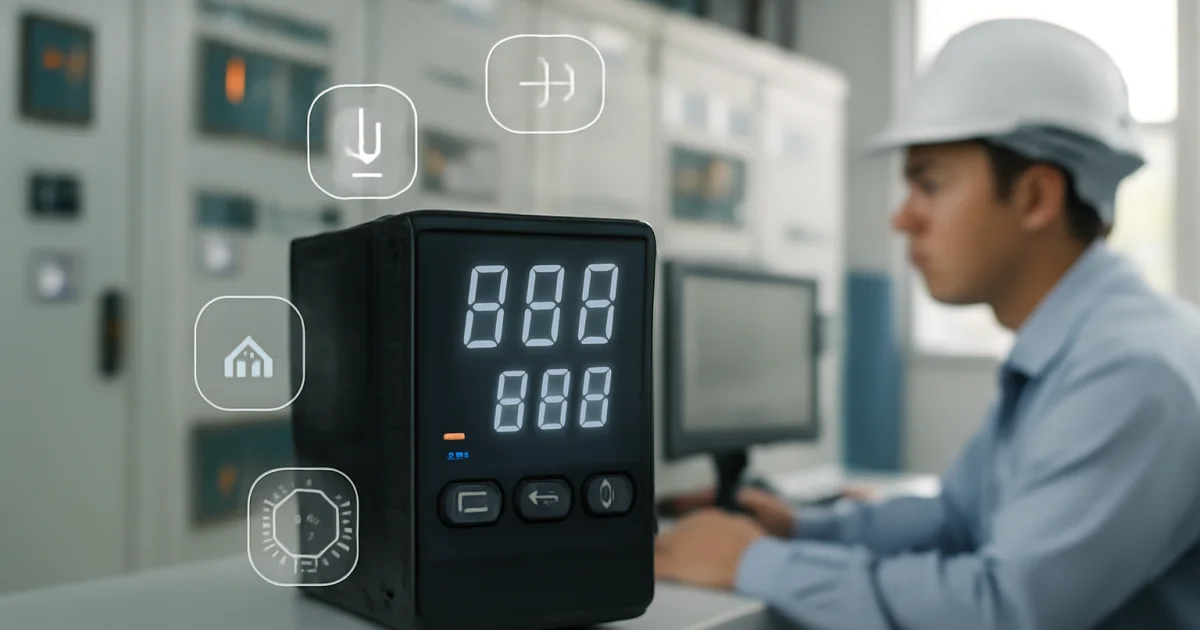
Choosing the right heater for your factory, process, or commercial application is a critical decision that impacts operational efficiency, product quality, and long-term costs. With the broad range of heaters available in Malaysia, buyers need to navigate technical specifications, safety standards, supplier reliability, and integration requirements. Whether you are a procurement manager, engineer, or OEM, this actionable checklist will help you evaluate and select the ideal heater for your needs.
1. Identify Your Heating Application and Requirements
Before reviewing products or contacting suppliers, clearly define your heating application. Consider:
- Type of Material or Medium: Are you heating air, water, oil, chemicals, or solids?
- Required Temperature Range: What is the desired operating and maximum temperature?
- Process Environment: Is it a hazardous area, cleanroom, outdoor, or food-grade setting?
- Heating Method: Do you need direct immersion, surface heating, forced air, or radiant heat?
- Space Constraints: Are there size, mounting, or integration limitations?
Properly outlining your requirements helps you match heaters to the application, whether it’s for industrial ovens, process tanks, packaging lines, or custom machinery. Take the time to document all process needs and, if possible, involve your engineering or maintenance teams in the discussion to avoid overlooking critical integration or operational factors.
2. Evaluate Heater Types and Technologies
Malaysia’s market offers a variety of heater types, each suited to different applications. Common options include:
- Cartridge heaters – Inserted into drilled holes for localized, high-density heating.
- Band heaters – Used for heating barrels, pipes, or cylindrical surfaces.
- Immersion heaters – Directly heat liquids in tanks or vessels. Screw-in immersion heaters are a popular choice for industrial tanks.
- Blower heaters – Provide forced hot air for drying and curing applications.
- Cast aluminium heaters – Offer robust, uniform heating for dies and platens.
- Infrared panel or quartz heaters – Radiant heat for surface or zone applications.
Discuss your process with experienced suppliers who can recommend the most suitable technology. For example, industrial heaters are designed for manufacturing, while commercial heaters may focus on efficiency and aesthetics for office or retail spaces. Some applications benefit from custom heater designs, so ask if modifications or special mounting options are available to optimize performance.
3. Review Material Quality, Durability, and Performance
Industrial and commercial heaters must withstand demanding conditions and provide consistent performance. Key factors to check:
- Sheath Material: Is it stainless steel, Incoloy, or another corrosion-resistant alloy suitable for your process?
- Insulation and Sealing: Are the heaters adequately sealed against moisture, dust, or chemicals?
- Build Quality: Is the construction robust, with secure terminations and quality wiring?
- Certifications: Does the product comply with relevant Malaysian and international safety standards?
- Performance Ratings: Are the wattage and voltage suitable for your facility’s electrical infrastructure?
Durability is especially important in continuous or high-temperature operations. Investing in quality materials reduces downtime, replacement costs, and the risk of unexpected failures. Check if the heater can withstand thermal cycling and whether the supplier provides details on life expectancy or maintenance intervals.
4. Examine Controls, Sensors, and Integration Options
Effective heating relies on accurate temperature control and monitoring. When buying heaters in Malaysia, consider:
- Temperature Controllers: Are compatible controllers (such as Fuji Electric temperature controllers) available for precise regulation?
- Sensors: Can the heater be paired with thermocouples or RTD sensors for real-time feedback?
- Integration: Can the heater system be connected to your PLC, DCS, or other process automation systems?
- Control Panels: Are custom control panel solutions available for multi-zone or complex processes?
- Additional Monitoring: Is there a need for pressure transmitters or level float sensors for applications involving fluids?
Advanced temperature management ensures safety, consistency, and energy efficiency. Discuss your automation requirements with the supplier to ensure seamless integration and consider if remote monitoring or alarm systems are required for regulatory compliance. Many modern control solutions now include digital displays, programmable logic, and integration with smart factory systems.
5. Assess Supplier Expertise, Support, and Range
Your choice of heater supplier in Malaysia can be as important as the product itself. Evaluate:
- Experience: Does the supplier have proven expertise in providing heating solutions for your industry?
- Customization Capability: Can they design and fabricate heaters tailored to your process?
- Technical Support: Is application advice, installation assistance, and after-sales support available?
- Product Range: Do they supply related products such as sensors, temperature controllers, or level sensors?
- Location and Delivery: Is the supplier conveniently located for efficient service and spare part availability?
Partnering with an established supplier such as SH Heating Sdn. Bhd. ensures you benefit from technical know-how, reliable products, and responsive service throughout the lifecycle of your heating system. A comprehensive product range enables you to source all necessary components—including heaters, sensors, and control panels—from one trusted provider, simplifying procurement and ongoing maintenance.
6. Confirm Compliance, Safety, and Warranty
Industrial heating equipment must comply with workplace safety and operational standards. Always check:
- Certifications: Does the heater meet Malaysian SIRIM, IEC, or other relevant certifications?
- Safety Features: Are over-temperature protection, fail-safes, and emergency shutoffs included?
- Warranty: What is the warranty period and what does it cover?
- Documentation: Are manuals, wiring diagrams, and installation instructions provided?
- Maintenance & Support: Does the supplier offer spare parts and repair services?
Clear documentation and warranty protection give peace of mind and help ensure compliance with occupational safety regulations. Inquire if the supplier provides training for installation and maintenance personnel, especially for complex or high-risk heating applications.
7. Compare Cost, Efficiency, and Total Value
While price is important, the lowest-cost heater may not offer the best long-term value. When evaluating costs, consider:
- Initial Investment: Compare quotes for similar specifications and materials.
- Energy Efficiency: High-efficiency heaters can deliver significant operational savings.
- Maintenance Requirements: Durable heaters with minimal servicing reduce lifetime costs.
- Lead Time: Consider manufacturing and delivery times, especially for custom solutions.
- Operating Costs: Ask your supplier for projected running costs and recommendations to optimize energy usage in your facility.
Request a total cost of ownership assessment if possible. This includes not only the purchase price but also installation, operation, maintenance, and potential energy savings over the heater’s lifespan. Investing in a reputable supplier with proven efficiency can lead to better process consistency and lower total costs.
Conclusion: Make an Informed Heater Purchase in Malaysia
Selecting the right heater for your Malaysian facility involves more than just browsing product catalogs. By following this checklist, you ensure a thorough evaluation of technical requirements, quality, supplier expertise, safety, and total value. The right choice supports efficient processes, consistent quality, and long-term operational reliability.
For expert assistance in selecting or customizing heaters, temperature sensors, or control solutions, consult with a trusted local supplier who understands the specific needs of Malaysia’s industries. Take advantage of suppliers offering broad technical support and a full range of integrated heating solutions to future-proof your investment and enhance operational safety.
Frequently Asked Questions
What types of heaters are commonly used in Malaysian industries?
Common heaters in Malaysia include cartridge heaters, band heaters, immersion heaters, blower heaters, and cast aluminium heaters. The choice depends on the application—such as process heating, drying, curing, or temperature maintenance.
How do I choose the right heater for my industrial process?
Start by defining your application’s heating requirements, including the type of material, temperature range, environment, and heating method. Consult with a specialist supplier who can recommend suitable heater types and integration options.
What certifications should I look for when buying heaters in Malaysia?
Look for heaters that comply with SIRIM, IEC, or other relevant international standards. Certifications ensure the product meets safety and performance requirements for industrial or commercial use.
Why is temperature control important for industrial heaters?
Accurate temperature control with sensors and controllers ensures product consistency, process safety, and energy efficiency. It also helps prevent overheating and extends heater lifespan.
Can heaters be customized for specific applications?
Yes, many Malaysian suppliers offer custom-designed heaters, control panels, and sensor integration to match your unique process needs. Customization ensures optimal performance and easier system integration.
Ready to Upgrade Your Industrial Heating System?
Contact SH Heating Sdn. Bhd. for expert advice, customized heating solutions, and a complete range of industrial heaters, sensors, and temperature controllers tailored to your Malaysian facility.